

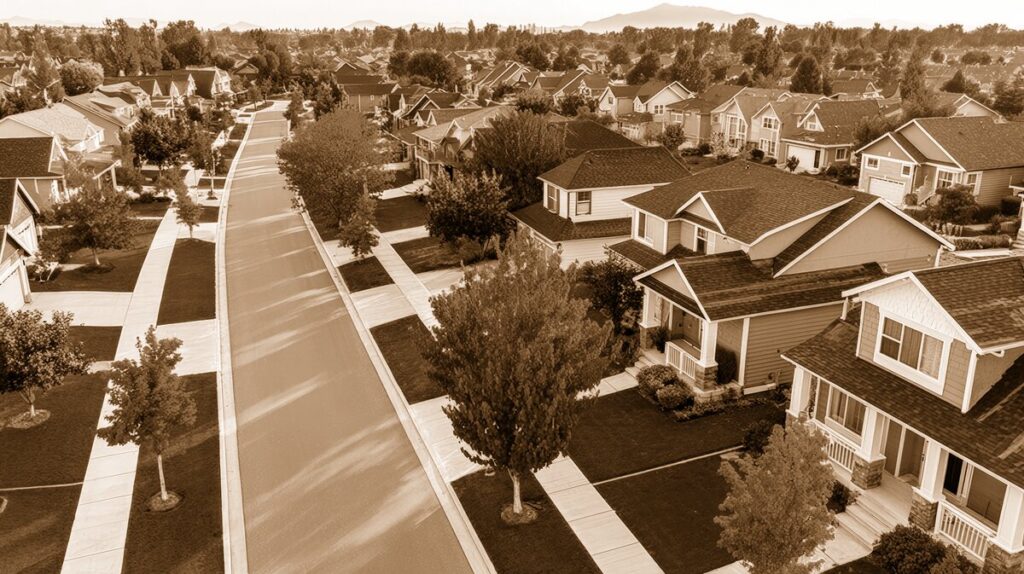
Nestled just a short drive from downtown Franklin, the Berry Mill neighborhood is more than just a collection of quiet streets and charming homes. It’s a testament to the vibrant history and enduring heritage that make Franklin, NC, such a captivating place to live and visit. As a longtime resident, I’m proud to share the story of Berry Mill—a neighborhood woven from the threads of industry, family ties, and a love for the land.
The Origins of Berry Mill
To understand Berry Mill, we must travel back to the late 1800s. The neighborhood owes its name—and in many ways, its existence—to the old grist mill that once stood proudly near the banks of Cartoogechaye Creek. The mill, built by Caleb Berry in 1883, served as a crucial hub for local farmers. Throughout the late 19th and early 20th centuries, families from as far away as Olive Hill and Holly Springs would bring corn and wheat to be ground into flour and meal.
The Berry family didn’t just operate the mill—they gave rise to a community. As demand for the mill’s services grew, so too did the number of homes nearby. Over time, fields turned into front yards, and a handful of farming families grew into the thriving Berry Mill neighborhood.
Naming and Early Landmarks
The Berry Mill name is, at its core, a proud reminder of both the family who established the area and the mill that once powered local commerce. For decades, the Berry Mill itself stood as the neighborhood’s centerpiece, a gathering place for news, trade, and social events.
- The original mill building, a sturdy timber frame with a wooden water wheel, was located near what is now Berry Mill Road—a street that still bears the neighborhood’s legacy.
- The Berry family homestead, located just off today's Millhouse Lane, was regarded as the unofficial meeting spot for community decisions and celebrations.
- Local lore speaks of an ancient white oak tree, known as the “Council Oak,” near the southern edge of Berry Mill Road, where townsfolk would meet to resolve disputes and plan community events.
Though the mill was destroyed by flooding in the early 1940s, its foundation stones are still visible along the creek, serving as a silent witness to the area’s past.
Historical Milestones
Berry Mill’s evolution mirrors that of Franklin itself—a story of perseverance, adaptation, and a profound connection to the land.
- In the 1920s, the arrival of public electricity brought new life to the neighborhood. The Berry Mill School opened its doors in 1925 on what is now Schoolhouse Drive, becoming a focal point for families until it was consolidated with larger Franklin schools in the 1960s.
- The Great Depression brought hard times for many, but Berry Mill residents banded together, organizing cooperative gardens on the lots that now border Orchard Lane and helping one another through lean years.
- Post-World War II, Berry Mill witnessed a surge of new homes, reflecting the era’s prosperity. The signature Craftsman bungalows and brick ranch houses that define Poplar Street and Willow Lane date from this era, their tidy lawns and flower beds a testament to residents’ pride.
Notable Landmarks and Institutions
While the original mill is long gone, the Berry Mill neighborhood remains rich with history and local color.
- Cartoogechaye Creek Greenway: Winding along the old millrace, this scenic pathway is a favorite of walkers and cyclists. It offers tranquil views of the creek, wildflowers, and the remnants of the historic mill’s stonework.
- Berry Mill Community Park: Once the home of the Berry family’s pastureland, this park is now filled with picnic tables, a small playground, and a community bulletin board where neighbors post news and swap garden produce.
- The Little White Church: Located at the corner of Willow Lane and Millhouse Lane, this simple clapboard chapel—built in 1911—hosts Sunday services and is the site for many weddings, reunions, and berry festivals.
Evolution Through the Decades
Berry Mill has changed tremendously over the years, yet it retains a sense of continuity and belonging. What began as a hub for rural commerce has grown into a residential haven while maintaining its roots.
- In the 1970s and ‘80s, Berry Mill became known for its backyard gardens—residents can still recall the aroma of fresh berries and the laughter of children selling jars of homemade jam along Poplar Street.
- The 1990s saw a new wave of families drawn to the neighborhood’s peaceful streets and the reputation of its close-knit community. During this time, many older homes were lovingly restored with new porches and bright paint, further enhancing Berry Mill’s charm.
- Today, Berry Mill remains a neighborhood of traditions, where folks exchange homegrown vegetables, host block parties, and tell stories under the shade of ancient oaks.
What Makes Berry Mill Special
If you stroll down Berry Mill Road on a cool autumn day, you’ll see neighbors sharing greetings, children playing in the park, and the sunlight glinting off the creek where the old mill once stood. The sense of place is palpable—a blend of enduring history and ongoing community spirit.
Some might say the true heart of Berry Mill lies in its annual Berry Festival, a tradition dating back to the 1940s when families gathered to celebrate the end of the harvest. Each June, tables fill with pies, jams, and crafts, while musicians play bluegrass near the Council Oak. It’s a day that underscores what Berry Mill has always been about: togetherness, gratitude, and a love for the land and its people.
From its humble beginnings on the banks of Cartoogechaye Creek to its present-day family homes and greenways, Berry Mill continues to honor its history while looking toward the future. For those of us fortunate enough to call this neighborhood home, it’s a place where stories are cherished, and heritage is celebrated every single day.